Blue Crab
Description
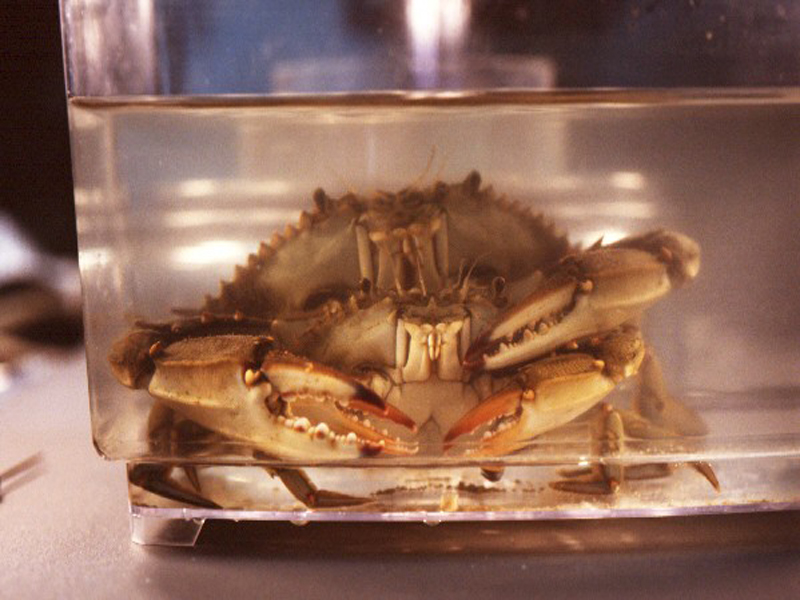
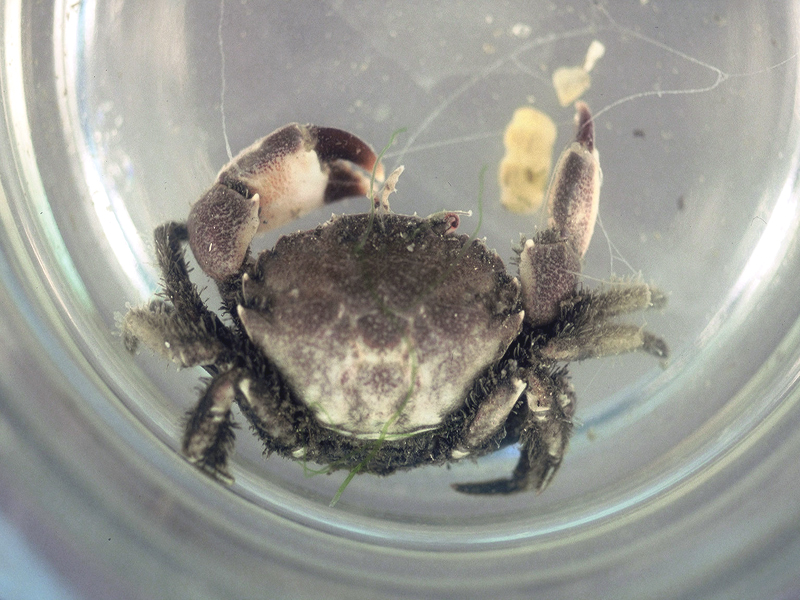
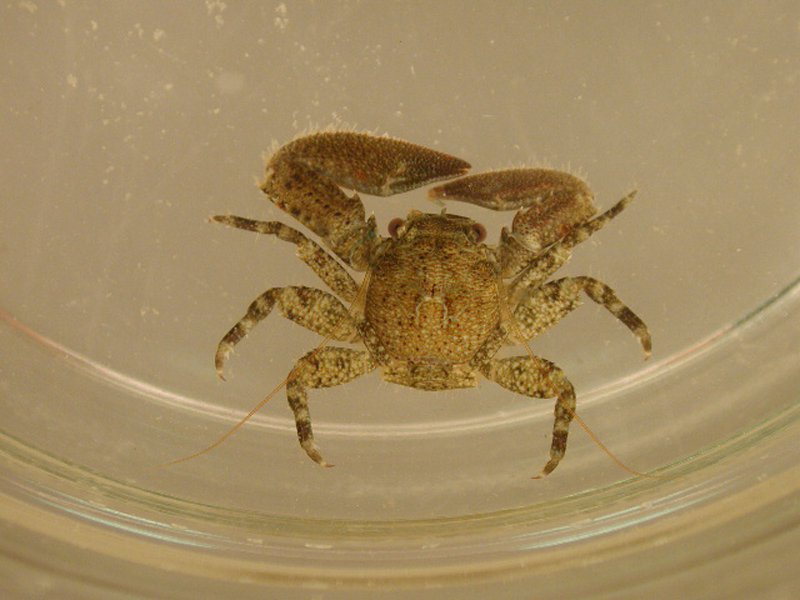
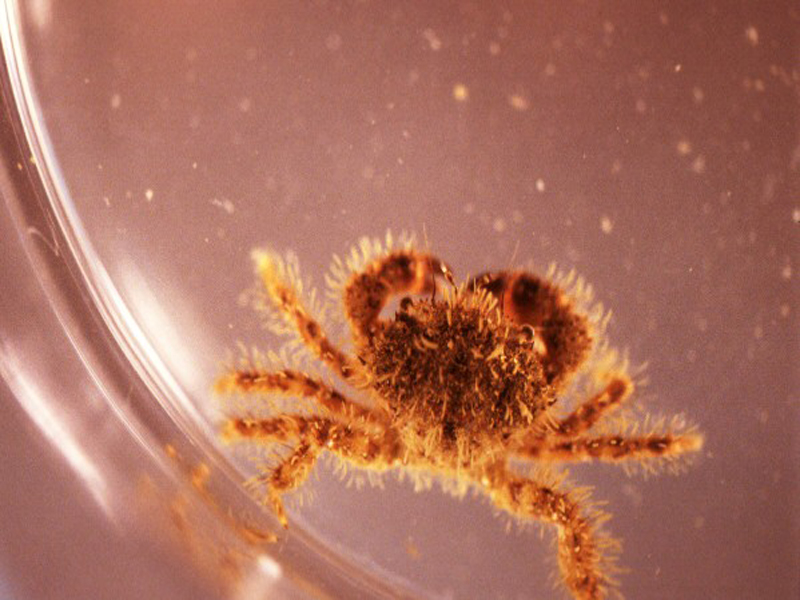
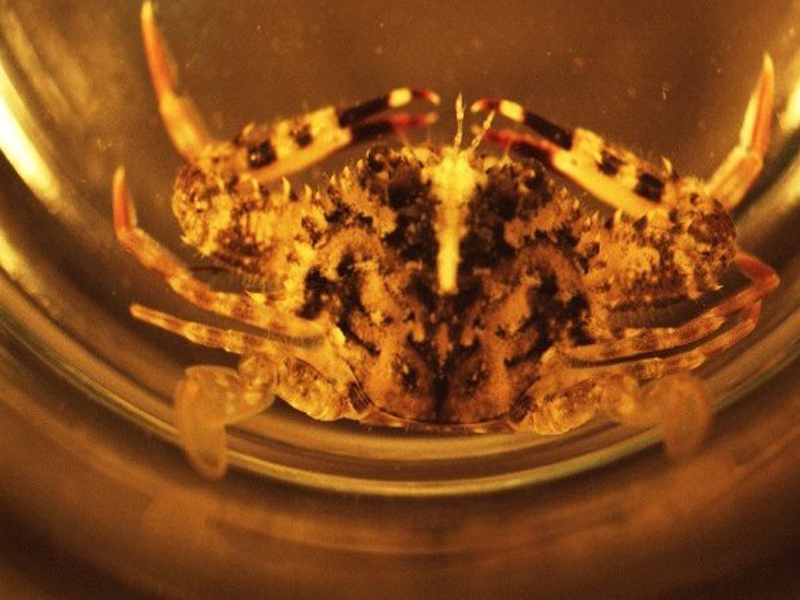
The blue crab is the largest and most important, economically, of the swimming crabs. Found widespread among Southeastern, Atlantic, and Gulf of Mexico coasts, the blue crab supports large commercial fisheries. These crabs are characterized by wide carapaces with sharp spines on either side, and the last pair of legs has been modified into swimming paddles. Their carapace can reach 9 inches in width and 4 inches in length, and is a blue-grey color, with granulations on the top. There are eight teeth on either side of the carapace between the spine and the eyes, and there are two teeth between the eyes on the carapace. Females are differentiated from males by having red tips on their claws. Blue crabs will feed on anything ranging from other crabs and shrimp to decaying flesh, and are some of the more aggressive of the crabs, raising their claws in defense when approached.
What Are The Effects On Clams?
Blue crabs prey heavily on almost all sizes of clams. Blue crabs are voracious consumers of hard clam seed with rates of clam consumption greater than those reported for any other bivalve species (Krauter and Castagna, eds., 2001). Clam size is the most important factor in the rate of crab predation. Only very large blue crabs can consume clams greater than pasta-size (about 30-35 mm shell length). Considered a scavenger, the blue crab typically opens a clam with their claws by crushing the entire clam, chipping a valve (shell) edge, or forcing the valves apart. Evidence of blue crab predation includes chipped edges or crushed shells, as well as torn or ripped clam bags.
- FOE
- Predator
What Can A Clam Farmer Do?
Predator control for blue crabs includes the clam bag and, if needed, additional protective covering, such as chicken wire or plastic netting. Blue crabs can be removed from the aquaculture lease area by using crab traps. Clam farmers can apply for a depredation endorsement with their Saltwater Products License that allows them to possess up to 75 blue crab traps for the incidental take of destructive or nuisance crabs within 1 mile of their aquaculture lease. Sale of blue crabs taken with a depredation endorsement is prohibited. Visit the website of the Florida Fish and Wildlife Conservation Commission <HYPERLINK TO www.floridaconservation.org> for more information. Caution should be taken when handling blue crabs as their pincher claws are powerful and can inflict a serious cut.